You have choices in Pelican Bay, and that can feel both exciting and overwhelming. You might picture sunsets over the Gulf, long beach walks, and easy access to dining and tennis. The right home will fit how you want to live day to day, not just where you want to be. In this guide, you’ll compare the main home types, weigh lifestyle tradeoffs, and follow a clear due-diligence checklist designed for Pelican Bay. Let’s dive in.
Pelican Bay at a glance
Pelican Bay is a large, master-planned coastal community in North Naples with more than 6,500 residences and nearly three miles of private Gulf-front beaches managed by the Pelican Bay Foundation. You can review the community’s scale and amenities in the Foundation’s official overview. The Foundation also operates neighborhood tram stations that connect to two staffed beachfront locations and on-site beach dining. You can explore the beaches, tram system, and dining at Marker 36 and the Sandbar on the Foundation’s member pages.
Club Pelican Bay is a private, member-run club with 27 holes designed by Arthur Hills. Membership is separate from property ownership, and buyers should expect initiation, dues, and possible waitlist considerations. For course and club context, see the Club Pelican Bay profile.
- Community overview and amenities: Pelican Bay Foundation community sheet
- Beaches, trams, and beach dining: Pelican Bay beaches
- Golf context: Club Pelican Bay course profile
Match lifestyle to home type
Association rules and fees vary widely across Pelican Bay. Treat the points below as general patterns, not promises. Always confirm specifics in the association disclosures and the Pelican Bay Foundation materials for the exact address you are considering.
Gulf-view high-rise condos
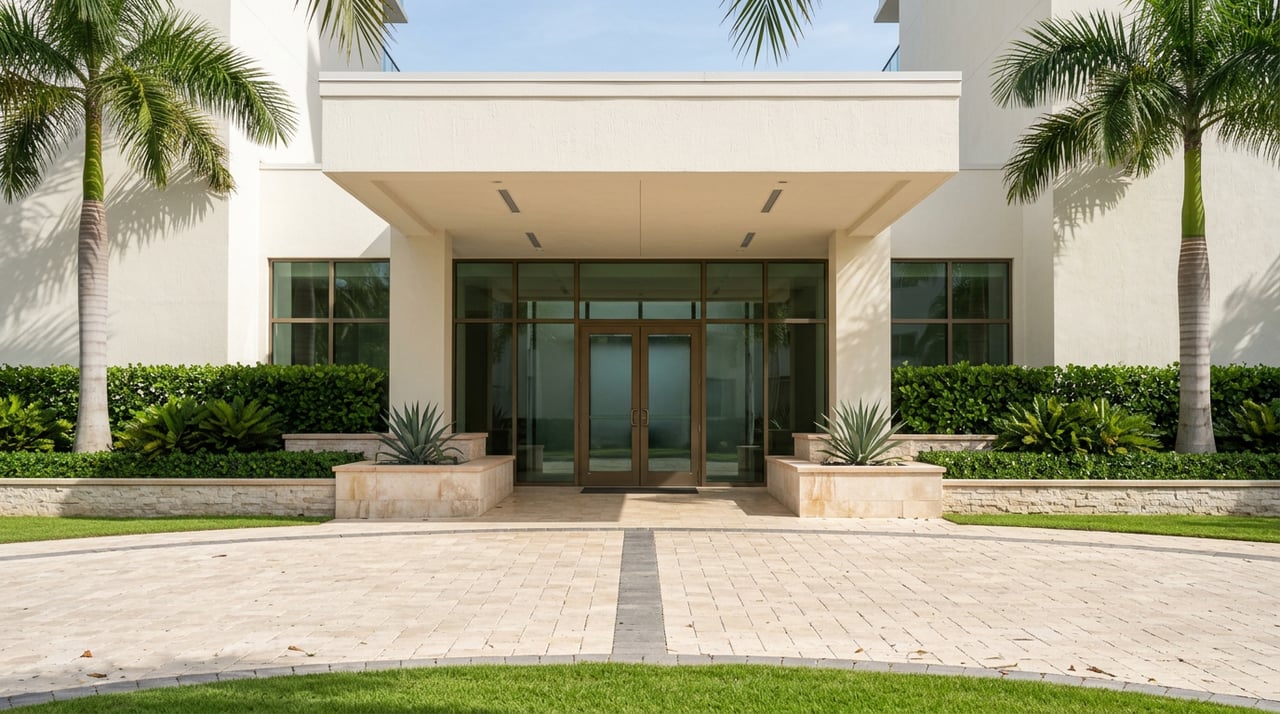
High-rises give you stacked condominium living with elevators, assigned parking, and often on-site management or concierge services. Upper floors can deliver sweeping Gulf views and quick access to beach trams and dining.
- Strengths: Gulf views, minimal yard work, security, and lock-and-leave convenience. Great if you want a view-first, beach-forward lifestyle.
- Tradeoffs: Higher price per square foot is common for Gulf-facing units. Expect substantial monthly association fees that cover building insurance, elevators, reserves, and staff. Older towers may face special assessments tied to state-mandated inspections. Confirm building age, reserve-study status, and milestone inspection compliance before you commit.
Villas and attached residences
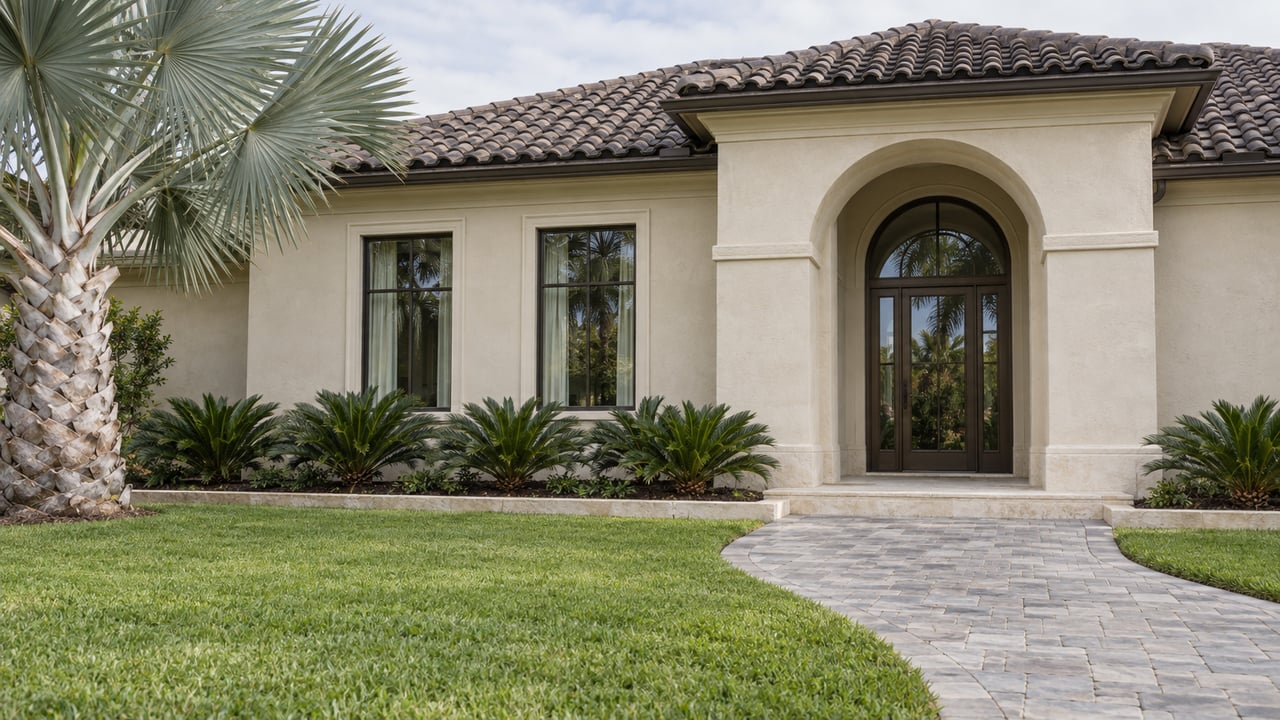
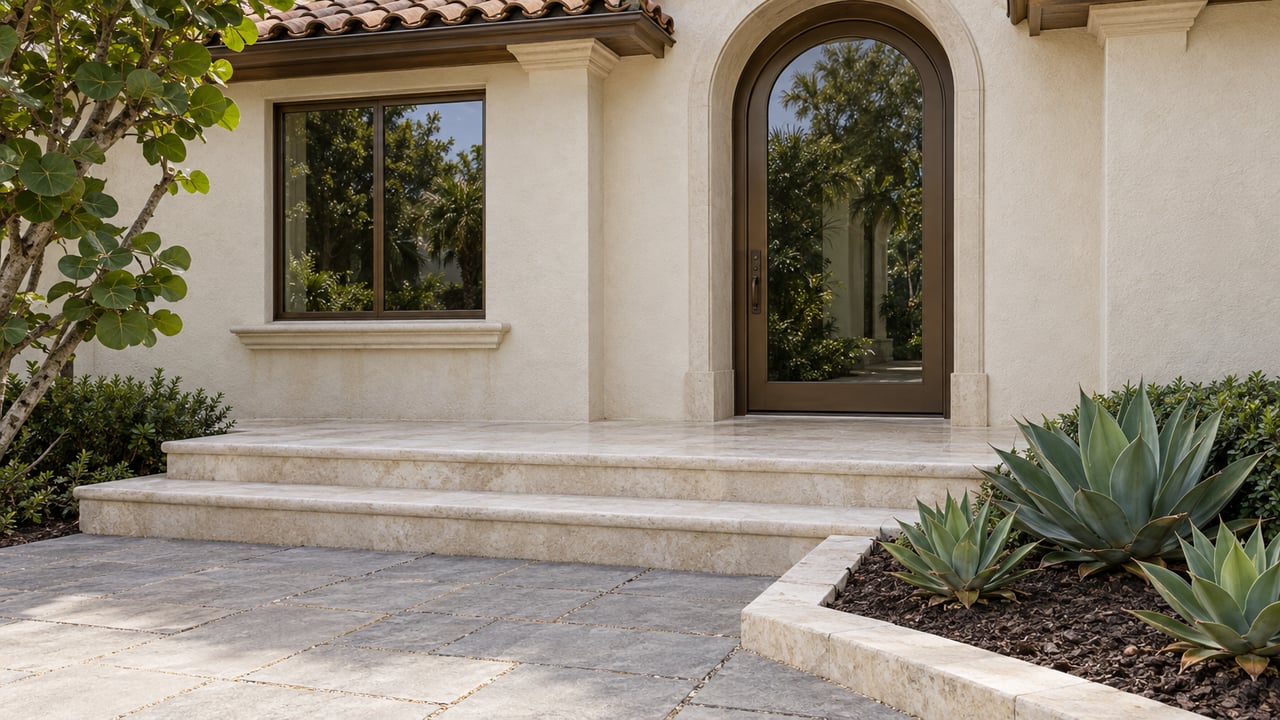
Villas often feel like a house with a private courtyard or patio, sometimes with a small pool, yet with lower exterior maintenance than a standalone home. Many villa clusters date to the 1980s and 1990s and are within walking or biking distance of tram stations.
- Strengths: More privacy and outdoor living than a typical condo, often at a lower entry price than top-tier Gulf-view towers for similar interior square footage.
- Tradeoffs: You are still within an association, so confirm fees, exterior-maintenance responsibilities, and rules on pets, rentals, and renovations. Lease restrictions are common and vary by association.
Single-family homes and estates
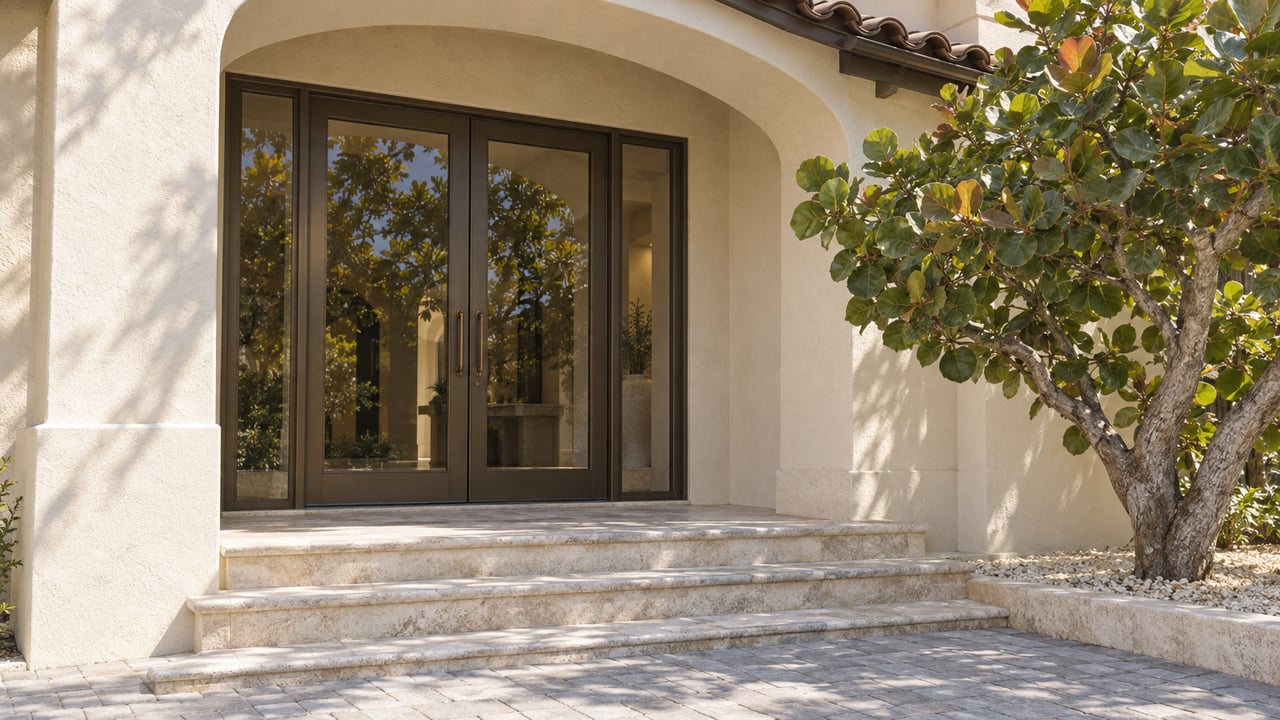
Detached homes offer larger lots, garages, and private outdoor areas, sometimes along the golf course or preserve. These can be a strong fit if you want more space and flexibility for renovations.
- Strengths: Privacy, yard space, storage, and greater control over the property. Appealing for buyers who want a full homeownership experience near the club or parks.
- Tradeoffs: More maintenance and typically higher exposure to utilities and insurance, including wind and flood risk. Some neighborhoods are gated and still fall under covenants enforced by the Foundation. Golf membership is a separate expense with its own timelines and dues.
If you want sunrise coffee on your private lanai, a single-family home or villa may be a match. If you prefer Gulf sunsets without lawn work, consider a high-rise.
Key lifestyle tradeoffs
Beach-first vs. convenience
High-rises and some villas sit closest to tram stations and the beach restaurants. Interior single-family pockets may be a longer bike ride. Beach access and services are managed by the Foundation and are subject to member and guest-card policies. See the Foundation’s beaches page for details on hours, services, and guest access.
Lock-and-leave ease
High-rises and many villa associations deliver natural lock-and-leave living. Verify building security, on-site staff, and maintenance services. Single-family owners should plan for hurricane preparation, landscaping, pool care, and regular inspections while away.
Club membership vs. ownership
Owning a Pelican Bay property does not automatically include Club Pelican Bay membership. Golf and social memberships are separately governed with initiation fees, dues, and possible waitlists. Confirm these timelines early if golf is central to your purchase.
Daily-life access
Tennis and pickleball centers, fitness facilities, and the community center drive daily activity and social calendars. Proximity to these amenities, plus nearby dining and cultural venues like Waterside Shops and Artis–Naples, can raise your day-to-day satisfaction.
Costs to plan for
Pelican Bay buyers should model total monthly and annual costs, not just a mortgage payment.
- Two lines of community charges: You will typically pay your neighborhood association dues and separate Pelican Bay Foundation assessments. The Foundation governs guest cards, trams, and other services. Review the Foundation’s Rules and Regulations for current policies and fees.
- Insurance and flood risk: Budget for homeowners coverage with possible wind or hurricane deductibles, plus flood insurance if required by your lender. Use FEMA’s Flood Map Service Center to check the specific parcel flood zone, then ask a local agent for address-level quotes.
- Building inspections and reserves: Florida’s SB 4-D requires milestone inspections and structural integrity reserve studies for many multi-story buildings. Older condominiums near the coast may face repair programs and related assessments. Ask for inspection reports, the latest reserve study, and the association’s funding plan.
Helpful references:
- Foundation rules, assessments, and guest-card policies: Pelican Bay Foundation Rules and Regulations
- Flood zones and maps: FEMA Flood Map Service Center and Collier County Floodplain Management
- Florida building-safety law: Florida Senate SB 4-D
- Insurance market data: Florida Office of Insurance Regulation tools
Your four-step selection framework
Use this quick decision path to narrow your list.
Step 1 — Choose one lifestyle priority
- Beach and views: Focus on Gulf-facing high-rises or beachfront-proximate villas with quick tram access.
- Lock-and-leave: Consider a high-rise with on-site management or a villa association that handles exterior care.
- Golf and club: Target single-family homes or villas close to Club Pelican Bay and research membership timelines.
- Space and yard: Look at single-family homes with private outdoor areas and storage.
Step 2 — Set practical filters
- Pet rules, rental allowances, minimum lease lengths
- Parking or garage needs, elevator vs. walk-up
- Hurricane mitigation features like impact glass and roof age
- Acceptable flood-zone cutoffs for your budget
Step 3 — Run due diligence before you offer
- Flood zone verification and preliminary insurance quotes
- HOA or condo estoppel, budget, reserves, and any special assessments
- Milestone inspections, engineer reports, and reserve studies for multi-story buildings
- Foundation policies on guest and tenant cards
Step 4 — Calculate total cost
- Monthly HOA or condo dues
- Pelican Bay Foundation assessments and any guest or tram fees
- Homeowners and flood insurance estimates
- Club membership costs if relevant
- Property taxes and routine maintenance
Due-diligence checklist for Pelican Bay buyers
Use this list early so you can move fast with confidence when the right home appears.
Flood zone and elevation. Enter the exact address at the FEMA Flood Map Service Center to confirm the flood zone and base flood elevation. If in a high-risk zone, expect a lender to require flood insurance.
Insurance feasibility and price. Ask an independent local agent for preliminary homeowners and flood quotes using the specific address and building details. Use Florida OIR’s market tools to understand which companies are active in Collier County.
Building and HOA documents. Request the full association package and the Pelican Bay Foundation estoppel. Ask for recent financials, meeting minutes, reserve study, operating budget, insurance certificates, any pending litigation, and the most recent structural or milestone inspection report for buildings that qualify under SB 4-D. The Foundation’s rules also outline lease and guest-card procedures that affect seasonal owners and tenants.
Rental rules if you plan income. Confirm association limits on number of leases per year, minimum lease length, and any Foundation tenant-card procedures. Some associations suspend member cards during a lease term, so verify how that affects your access.
Building age and inspection status. For buildings three stories or taller, verify whether milestone inspections and any Phase 2 work are complete, plus how the association plans to fund identified repairs.
Foundation specifics. Check tram stop proximity, beach access hours, dining access rules at Marker 36 and the Sandbar, and whether Foundation assessments or policies have changed recently.
Quick links for your checklist:
- Flood maps and zones: FEMA Flood Map Service Center
- Foundation rules and lease or guest-card policies: Pelican Bay Foundation Rules and Regulations
- Florida building-safety law and timelines: Florida Senate SB 4-D
- Insurance market data: Florida OIR tools
How we help you choose well
You want the beach and the right numbers to match. As a boutique practice focused on Naples’ coastal corridor, West of 41 blends concierge-level service with deep micro-market knowledge of Pelican Bay. You get a curated short list that aligns with your lifestyle, plus practical support on insurance quotes, inspection logistics, and association document reviews. That is how you make a confident decision in a limited-supply market.
Ready to walk the beaches, test the tram, and see floor plans that fit your life? Request a private tour with Blake Owen.
FAQs
What makes Pelican Bay unique for buyers?
- Pelican Bay offers nearly three miles of private Gulf-front beaches, staffed beach services, a tram system with two beachfront locations, and beach dining managed by the Foundation, plus extensive parks and recreation.
How does Club Pelican Bay membership work if I buy a home?
- Club membership is separate from property ownership and covers a 27-hole Arthur Hills course; expect initiation, dues, and possible waitlists, so confirm details early if golf is a priority.
What condo inspections and reserves should I review in Pelican Bay?
- For multi-story buildings, request milestone inspection reports, any Phase 2 engineer reports, and the structural integrity reserve study mandated by Florida’s SB 4-D, plus the association’s funding plan.
How do HOA fees differ from Pelican Bay Foundation assessments?
- HOA or condo dues fund your neighborhood or building’s operations, while Pelican Bay Foundation assessments support community-wide services like beach access, trams, and member programs governed by Foundation rules.
How can I check flood risk and insurance cost before I offer?
- Look up the address at FEMA’s Flood Map Service Center, then ask a local agent for preliminary homeowners and flood quotes; use Florida OIR tools to see which insurers are active in Collier County.