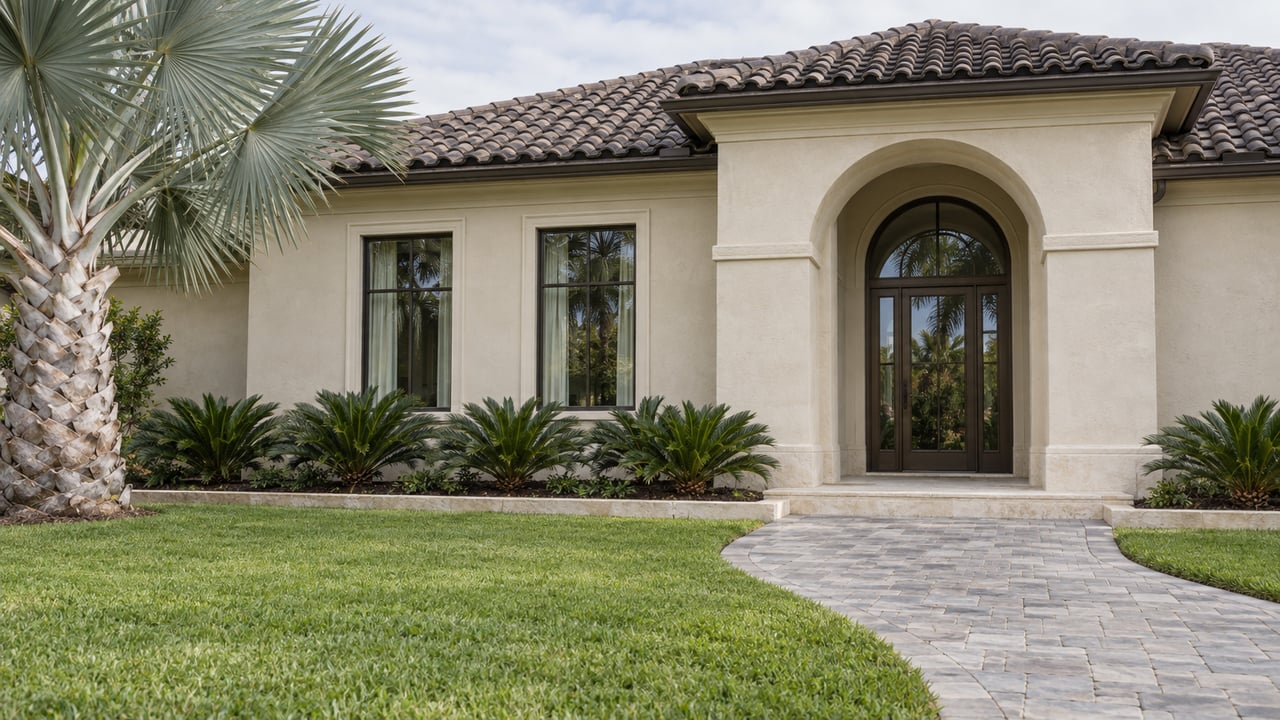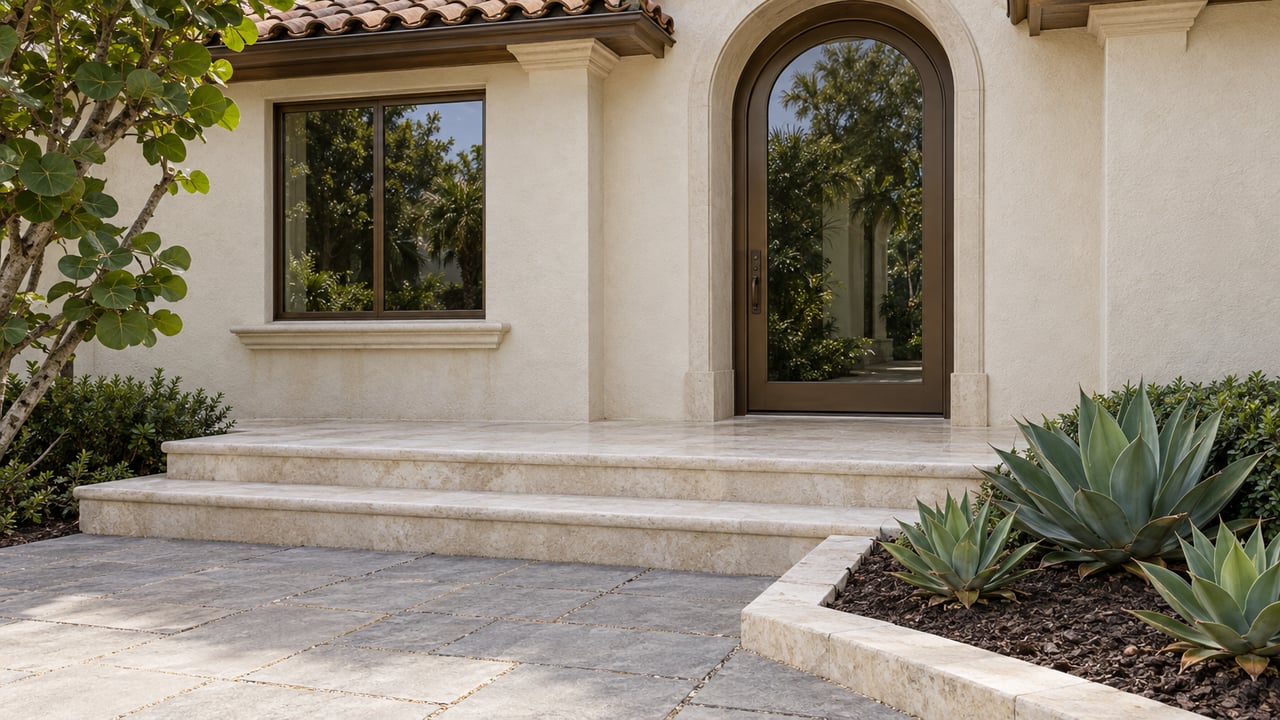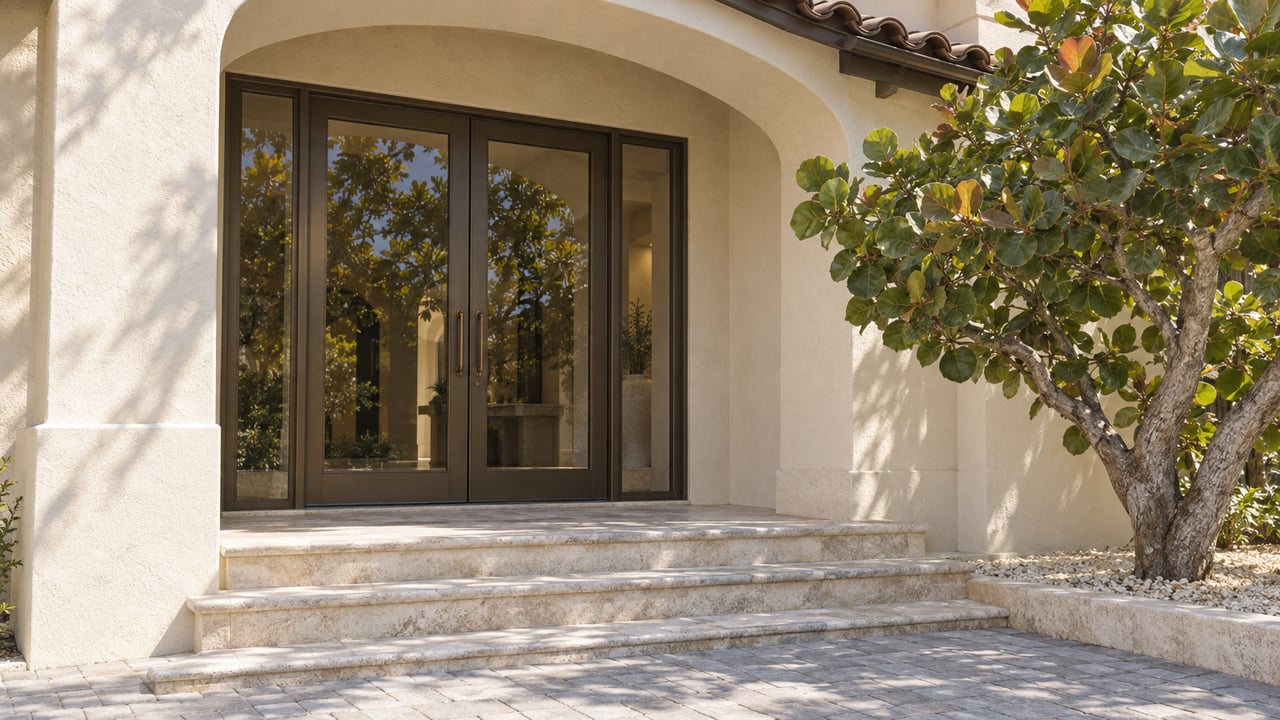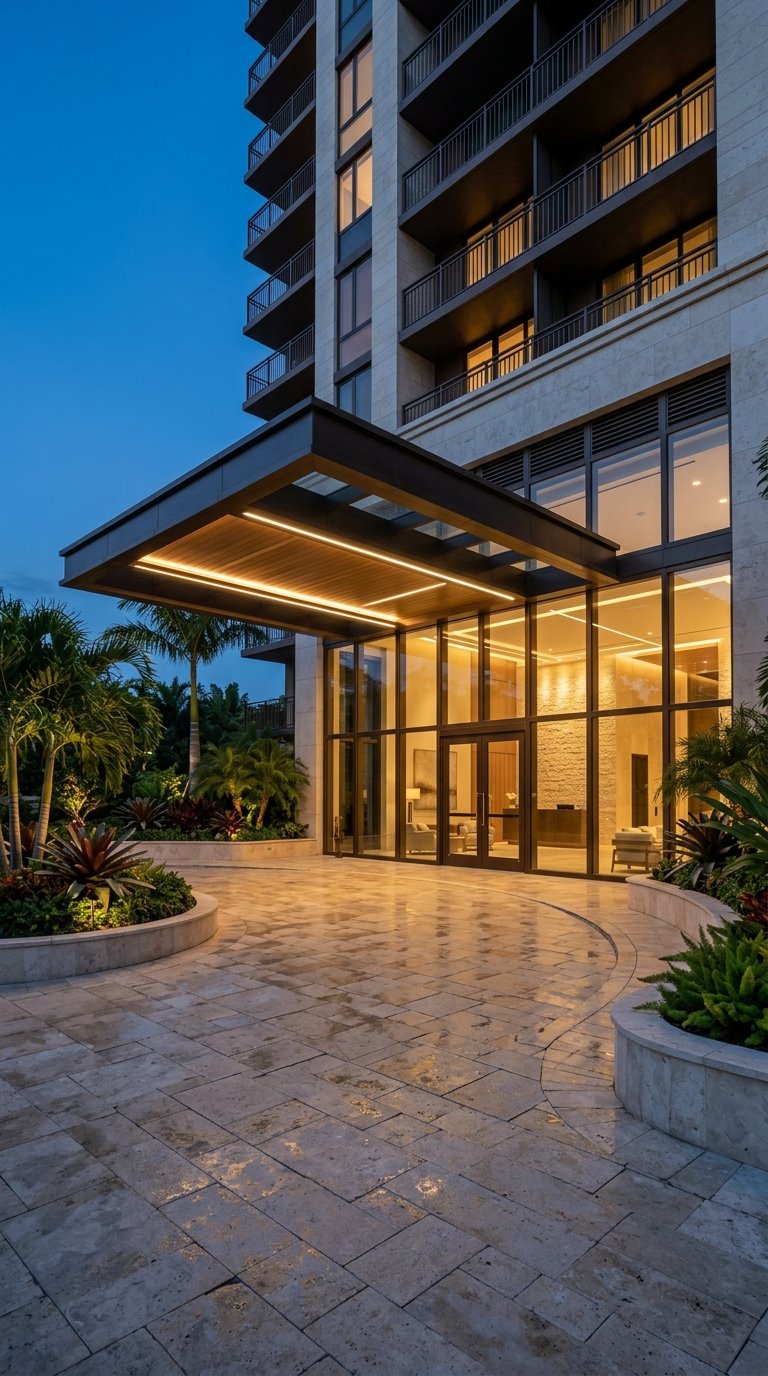
If you want a Naples winter home that feels easy to enjoy and realistic to manage from afar, Pelican Bay deserves a close look. Seasonal ownership here can work very well, but the details matter more than many buyers expect. If you understand the community structure, property options, and rule layers before you buy, you can make a much more confident decision. Let’s dive in.
Why Pelican Bay Fits Seasonal Owners
Pelican Bay is built for a part-time coastal lifestyle in ways that appeal to many seasonal buyers. Official community materials describe about 6,500 residences across 95 associations, along with private beaches, beach dining, racquets, fitness, a community center, tram service, and fiber internet for condos and single-family homes.
There is also a Collier County Pelican Bay Services Division that focuses on street lighting, water management, beach renourishment, law enforcement service, and beautification. In practical terms, that community infrastructure supports the kind of lock-and-leave ownership many second-home buyers want.
That said, convenience does not mean hands-off ownership. Pelican Bay can be a strong fit for seasonal use, but you still need to understand how your specific property and association operate day to day.
Choose the Right Property Type
Pelican Bay includes a wide range of residential formats. The PUD allows single-family detached homes, attached single-family units, duplexes, patio homes, cluster homes, villas, zero-lot-line homes, and multifamily buildings.
For a seasonal buyer, attached residences and many condo-style properties often feel simpler to leave unattended for longer stretches. In many cases, they can mean less exterior maintenance responsibility, but that is not automatic.
The real test is in the governing documents, the insurance structure, and the association budget. Two homes with a similar look can create very different ownership experiences depending on what the parcel association covers and what falls back on you.
What to compare before you buy
When you narrow your options, focus on the practical side of seasonal ownership:
- Who handles exterior maintenance
- What the association maintains versus what you maintain
- Whether there are approval requirements for repairs or updates
- How insurance responsibilities are divided
- Whether the budget and reserves support the property standard you expect
For many buyers, this is where the best choice becomes clear. A beautiful residence is only part of the equation. The easier question is whether it matches how you plan to use the home.
Association Rules Shape Ownership
In Pelican Bay, the rules often matter more than the amenity list. The Foundation’s rules show that neighborhood associations may collect and remit assessments, and lease approvals can be required by a parcel’s covenants.
That means your ownership experience is shaped by layers of governance, not just by the home itself. Before you close, you want a clear picture of what the Foundation handles, what your parcel association controls, and what approvals may be required for leasing, guests, or exterior work.
Owners should also take dues and assessment obligations seriously. The rules contemplate annual and special assessments, and rights can be affected when obligations go unpaid.
Leasing requires planning
If you plan to lease your property, do not treat that as a casual future option. The Foundation asks for lease paperwork at least 30 days before the lease period, and tenant cards are issued in person with photo ID and expire when the lease ends.
This does not mean leasing is impossible. It means seasonal rental use should be verified carefully at the parcel level before you build any income assumptions into your purchase decision.
Guest access has limits
Many seasonal owners want flexibility for visiting family and friends. In Pelican Bay, unaccompanied guest cards run from 2 to 30 days, are capped at 30 days in any 12-month period, and are not available to people who permanently or seasonally reside in Collier or Lee counties.
That rule is important if you expect extended family stays or long winter visits from frequent guests. It is much better to understand those boundaries before buying than after your first season begins.
Plan Ahead for Improvements
Even if you are buying a low-maintenance seasonal property, exterior changes may still require advance approval. Foundation rules require prior written approval for work such as excavation or landscaping.
There is also a timing component. Once approved, a project must begin within six months or the approval can expire.
This matters for buyers who plan to purchase in season and update the property in the offseason. If improvements are part of your strategy, make sure you understand the review process early.
Storm Season Is Part of Ownership
A seasonal home in coastal Florida needs a real storm plan. The Atlantic hurricane season runs from June 1 through November 30, so if your Pelican Bay home will sit empty during part of that window, preparation cannot be an afterthought.
Practical planning includes gathering supplies, clearing loose items from the yard, protecting windows and doors, and being ready to evacuate if officials issue an order. Even with strong community infrastructure, that does not replace having people and systems in place to check on your home.
Build a simple offseason checklist
A smart seasonal owner usually has a plan that includes:
- A local contact who can inspect the property after a weather event
- A storm-ready vendor list
- A routine schedule for checking the home while you are away
- A plan for securing outdoor items before a storm threat
- A process for post-storm access and condition updates
Pelican Bay’s services and fiber network are meaningful advantages, but they are only part of the picture. Human follow-through is still essential.
Understand Taxes and Homestead Rules
If this will be your second home, budget carefully and do not assume a homestead tax benefit. Collier County states that homestead exemption applies to a permanent residence as of January 1, and second homes, investment properties, and rental properties do not qualify.
Applications are due by March 1. For a typical seasonal owner, the practical takeaway is simple: unless the Pelican Bay property truly becomes your primary Florida residence, you should not count on homestead exemption savings.
This is a common planning issue for out-of-state buyers. It is better to underwrite the purchase as a true seasonal home and be pleasantly surprised later only if your long-term residency changes.
Be Careful With Rental Assumptions
If rental income is part of your thinking, keep the conversation very specific to the property you are considering. Pelican Bay has 95 associations, the Foundation runs a formal leasing process, and Florida HOA law allows certain associations to regulate rental agreements under 6 months and more than three times per calendar year.
The key point is not that seasonal rentals are universally restricted. The key point is that you should verify the exact parcel rules, approval steps, and timing requirements before relying on any rental calendar or guest-use plan.
For many buyers, this changes the search strategy. A residence that looks perfect on paper may not fit your intended use if the parcel documents create tighter leasing or occupancy limits than you expected.
Questions to Ask Before Closing
A seasonal purchase tends to go more smoothly when you ask direct, practical questions early. In Pelican Bay, these are some of the most useful ones:
- What maintenance responsibilities stay with the owner?
- What approvals are required for leasing?
- What are the guest-card rules for family and friends?
- Are there limits on lease length or lease frequency?
- What exterior changes require prior approval?
- Does the property qualify as a second home rather than a homestead property for tax planning?
- What storm-preparation plan makes sense for this specific residence?
These questions help you move beyond the lifestyle brochure and into the daily reality of ownership. That is where good decisions are made.
The Bottom Line on Seasonal Ownership
Pelican Bay is well suited to seasonal ownership because the community already supports a part-time lifestyle with meaningful infrastructure, services, and amenities. For many buyers, that combination is exactly what makes it so appealing.
The tradeoff is that ownership comes with structure. Layered association rules, leasing procedures, guest limits, approval processes, and storm planning all deserve attention before you buy.
If you get those details right, a Pelican Bay seasonal home can offer the ease, comfort, and coastal lifestyle that many Naples buyers are looking for. If you want help comparing condos, villas, or single-family options in this part of the market, Blake Owen can help you evaluate which property best fits the way you plan to live and use the home.
FAQs
What makes Pelican Bay a good place for a seasonal home?
- Pelican Bay offers community infrastructure and amenities that support part-time living, including private beaches, dining, tram service, fitness amenities, fiber internet, and county services tied to maintenance and operations.
What property type in Pelican Bay is easiest to leave unattended?
- Attached residences and condo-style properties are often simpler for seasonal ownership, but the actual maintenance burden depends on the parcel documents, insurance structure, and association responsibilities.
What should seasonal buyers know about Pelican Bay guest rules?
- Unaccompanied guest cards are limited to 2 to 30 days, capped at 30 days in any 12-month period, and are not available to people who permanently or seasonally live in Collier or Lee counties.
What should seasonal buyers know about leasing a Pelican Bay property?
- Leasing may require parcel-level approval, and the Foundation asks for lease paperwork at least 30 days before the lease period, so buyers should verify all leasing rules before assuming rental use is allowed.
Can a seasonal home in Pelican Bay qualify for homestead exemption?
- A seasonal home generally does not qualify because Collier County limits homestead exemption to a permanent residence as of January 1, not a second home, investment property, or rental property.
How should owners prepare a Pelican Bay seasonal home for storm season?
- Owners should plan ahead for hurricane season by securing loose items, protecting windows and doors, preparing supplies, following evacuation orders when issued, and arranging a local contact to inspect the property after weather events.